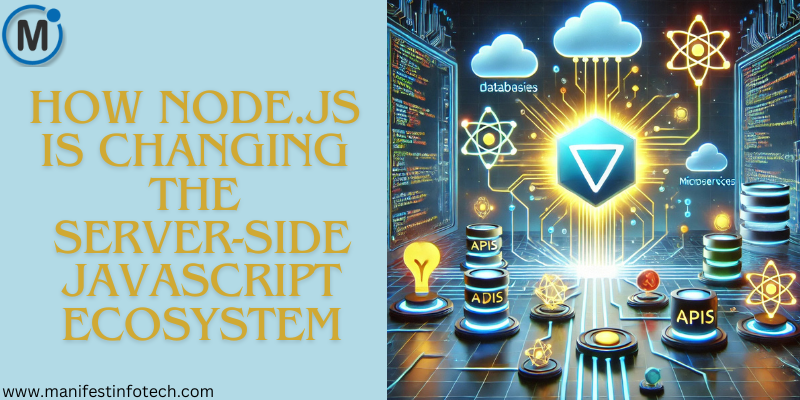
How Node.js is Changing the Server-Side JavaScript Ecosystem
JavaScript, once confined to the front-end, has undergone a revolutionary transformation with the advent of Node.js. This open-source, cross-platform runtime

JavaScript, once confined to the front-end, has undergone a revolutionary transformation with the advent of Node.js. This open-source, cross-platform runtime
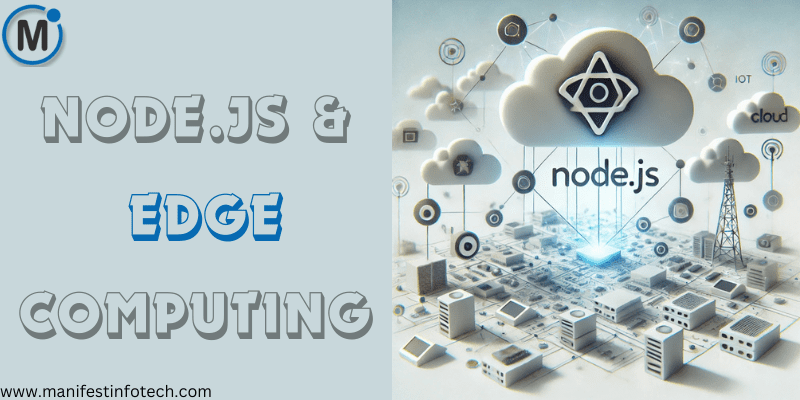
In the ever-evolving landscape of computing, edge computing has emerged as a game-changer, bringing processing power closer to data sources.
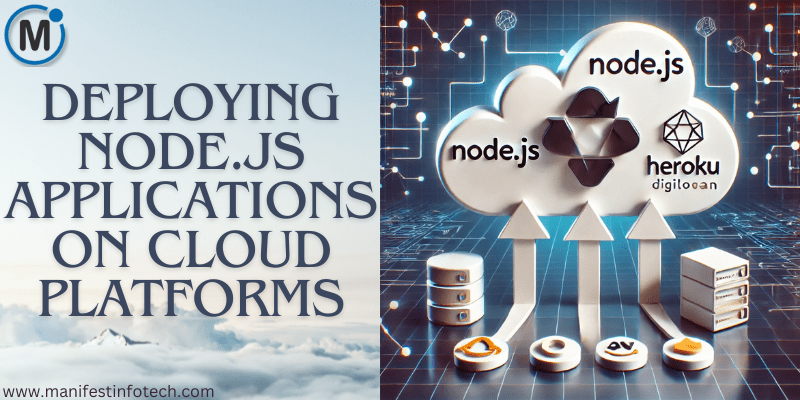
Deploying a Node.js application on cloud platforms like Heroku, AWS EC2, and DigitalOcean ensures scalability, high availability, and efficient resource

Uploading files is a fundamental feature in many web applications. Whether you need to upload images, videos, or documents, Node.js
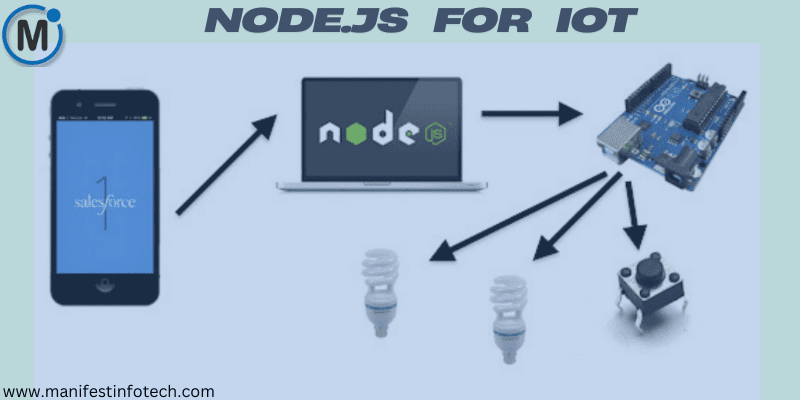
The Internet of Things (IoT) is revolutionizing the way devices communicate and interact with the digital world. Node.js, with its

Command-Line Interfaces (CLIs) are powerful tools that allow developers to automate tasks, interact with APIs, and enhance productivity. With Node.js,
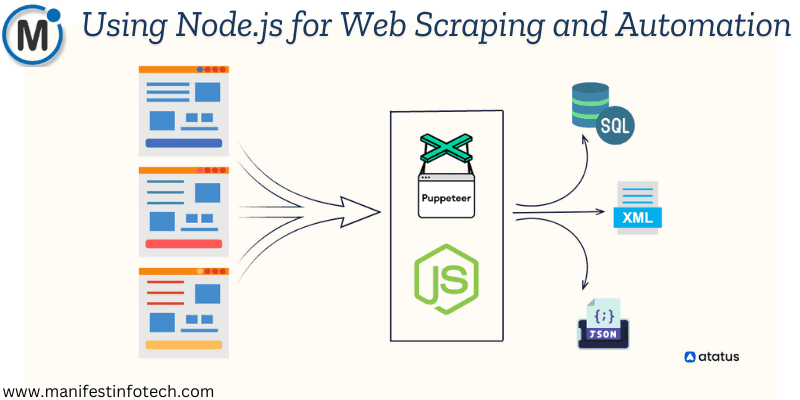
Web scraping and automation have become essential for gathering data, monitoring websites, and automating repetitive tasks. Node.js, with its non-blocking
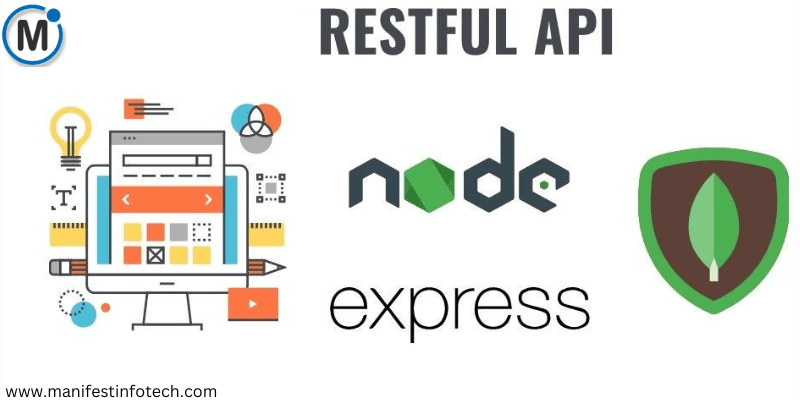
Building a RESTful API is a fundamental aspect of modern web development, enabling seamless communication between clients and servers. Node.js,
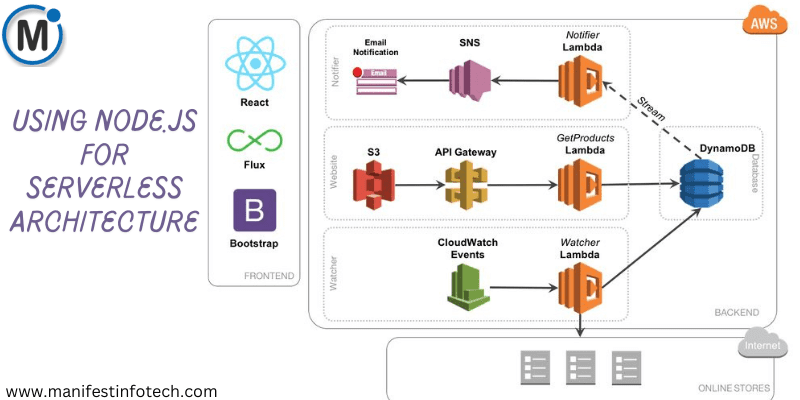
Serverless computing has revolutionized how developers build and deploy applications, eliminating the need for managing infrastructure. Platforms like AWS Lambda
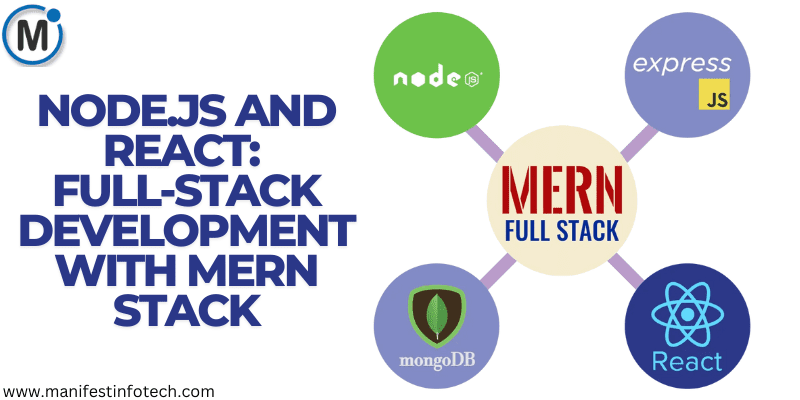
The MERN stack (MongoDB, Express.js, React.js, and Node.js) is one of the most popular full-stack development technologies. It enables developers